
Bigfive Wildlife Africa
Bigfive Wildlife Africa: Big Five Safaris in Kenya, Tanzania & Uganda
See the lion, leopard, elephant, buffalo and rhino in the wild on expert-planned Big Five safaris across East Africa — from the Serengeti–Mara ecosystem to the gorilla forests of Uganda and Rwanda. Every trip is tailor-made around the animals you most want to see, the season you can travel and the pace you enjoy.
Plan Your Safari Explore the Big Five
Jump to: The Big Five · Where to Go · Sample Routes · When to Go · Great Migration · Plan Your Trip · FAQ
LION · LEOPARD · ELEPHANT · BUFFALO · RHINO ·
5
Big Five animals to find — lion, leopard, elephant, buffalo and rhino
4
countries covered: Kenya, Tanzania, Uganda and Rwanda
1,400
+
bird species recorded across East Africa
The Big Five
Meet the Big Five of Africa
The Big Five began as a hunters’ term for the five animals considered most dangerous and difficult to pursue on foot: the lion, leopard, African elephant, Cape buffalo and rhinoceros. Today the phrase means something very different. It is the classic checklist of the African safari — five animals photographed rather than hunted, and protected across East Africa’s national parks, reserves and private conservancies.
Seeing all five is a real achievement because each one lives differently. Lions rest through the heat and hunt at dusk, leopards hide in trees, elephants and buffalo follow water and grass, and rhinos are rare and heavily guarded. Understanding their habits is the difference between a lucky sighting and a well-planned one.
01
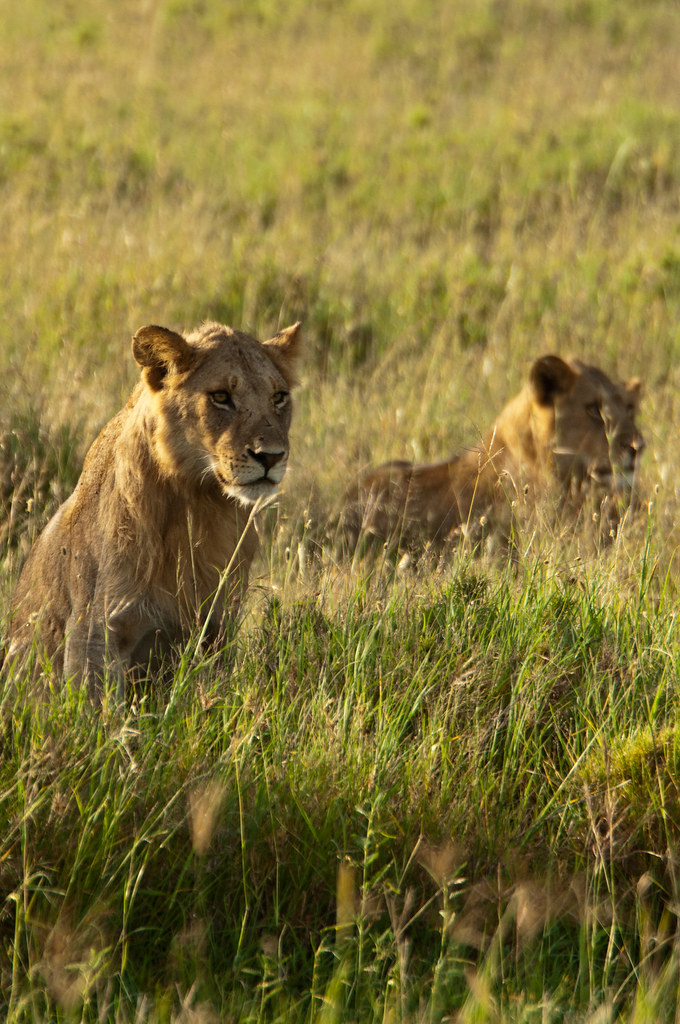
Lion
Africa’s apex predator and its only truly social cat. Prides are built around related females, guarded by resident males. Best seen on early-morning and late-afternoon drives across the Mara, Serengeti and Ngorongoro Crater.
02
Leopard
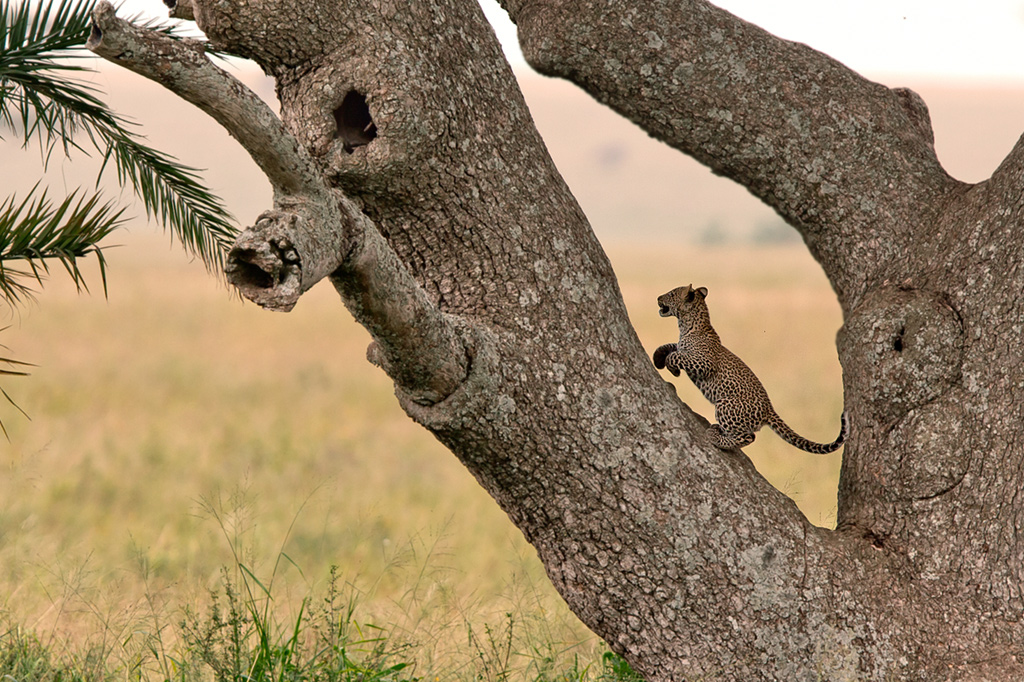
Solitary, nocturnal and superb at hiding. Leopards rest in riverside trees by day and haul kills up a trunk to keep them from hyenas and lions. A sighting takes patience, which is part of the reward.
03
African Elephant
The largest land animal on Earth, living in family herds led by an older female, the matriarch. Amboseli, Tsavo and Tarangire are famous for large gatherings, especially in the dry season.
04
African Buffalo
Massive herds of hundreds move across the Mara, Serengeti and Lake Nakuru, grazing long grass at dawn and dusk. Solitary old bulls have a reputation for being unpredictable.
05
Rhinoceros
The hardest of the five to find and the most threatened. Black rhinos are critically endangered, white rhinos are near threatened, and both are protected by armed rangers.
+
Beyond the Big Five
Once you have ticked the five there is far more: cheetah, giraffe, hippo, zebra, hyena, the Little Five, more than 1,400 bird species and East Africa’s primates.
Quick Guide
Where to See Each of the Big Five
- Lion: Masai Mara, Serengeti and Ngorongoro Crater.
- Leopard: Serengeti’s river woodlands, Masai Mara riverbanks and Samburu.
- Elephant: Amboseli, Tsavo and Tarangire.
- Buffalo: Masai Mara, Serengeti, Lake Nakuru and Ngorongoro Crater.
- Rhino: Ol Pejeta, Lake Nakuru, Ngorongoro Crater and Meru.
Spotting Tips
How Guides Find the Animals
- Scan tree forks and shady branches for a leopard’s spotted shape or a hanging tail.
- Watch the sky and the edges. Circling vultures and waiting hyenas often mark a recent kill.
- Listen for alarm calls from impala, baboons and birds, which usually mean a predator is close.
- Read the ground. Fresh tracks and dung on a dusty road show who passed and when.
- Stay quiet and patient. Ten still minutes at a good spot often beat an hour of driving. For camera tips see our safari experiences.
Lions
Lions: The Heart of the Big Five Safari
A lion sighting is the moment most guests remember longest. Lions live in prides of related females, their cubs and one to a few resident males, and a pride holds a territory that can cover anything from tens to hundreds of square kilometres depending on how much prey the land supports. The females do most of the hunting, working together to stalk and surround herds, while the males defend the pride from rival coalitions.
A lion’s roar carries for several kilometres, which is why a dawn drive often starts with listening. Lions rest for most of the day, so the best viewing is early morning and late afternoon, when a pride wakes, greets, and sets out to hunt. Cubs are usually kept hidden for their first weeks and then join the pride, and watching them play is a highlight in the Mara and Serengeti.
Where to look: the open plains of the Masai Mara, the Serengeti and the Ngorongoro Crater give clear views of resident prides. Ruaha is known as Tanzania’s lion capital, while Lake Manyara and Uganda’s Queen Elizabeth National Park are famous for tree-climbing lions.
Leopards
Leopards: Finding the Most Elusive of the Five
Leopards are the hardest of the big cats to see well, and the reason is design. Each leopard’s rosette pattern is unique and breaks up its outline in dappled light, it hunts mostly at night, lives alone, and can haul a kill up a tree so that lions and hyenas cannot steal it.
A mother keeps her cubs hidden in rocks, thickets or hollow trees for the first weeks and moves them between dens. Cubs stay with her for well over a year while they learn to hunt, so a leopard cub in a tree, like the one in this photo, is a rare and precious sighting.
Where to look: scan the branches of acacia and fig trees along rivers in the Masai Mara and the Serengeti’s Seronera area at dawn and dusk, and add Samburu for strong leopard numbers in the dry season.
Why East Africa
Why Big Five Wildlife in Africa Is Worth Travelling For
East Africa is one of the best regions on Earth to see the Big Five in genuinely wild ecosystems. Kenya’s Masai Mara and Meru, Tanzania’s Serengeti and Ngorongoro Crater, and Rwanda’s Akagera all support all five animals. Uganda adds mountain gorillas, chimpanzees and Murchison Falls, so a single trip can combine savanna big game with primates.
The region works well for first-time and returning visitors because the parks are varied and well connected. You can start in the open grasslands of the Mara, move to the crater and woodland of northern Tanzania, and finish in the forests of Uganda or Rwanda. Each ecosystem has its own animals, scenery and season.
Guides here read animal behaviour the way a sailor reads weather: a cluster of vultures points to a kill, alarm calls from impala or vervet monkeys warn of a leopard, and fresh tracks on a dusty road tell you where a pride passed in the night. That local knowledge is what turns a game drive into a story.
Read our complete Big Five guide or see the full Kenya vs Tanzania comparison to choose where to start.
Where to Go
Best Places to See the Big Five in East Africa
Choose a destination to see the animals it is best for, the season to visit and how to plan the trip. Most itineraries combine two or three of these places so you see different habitats and improve your chances of every animal on the list.
Kenya
Masai Mara
Home of the Great Migration crossings and some of Africa’s densest lion and leopard country. Open plains, resident prides and riverbank leopards make it the best first stop for the Big Five in Kenya.
Tanzania
Serengeti & Ngorongoro
Endless plains, the Ngorongoro Crater and the quieter southern and western parks. The crater floor packs lion, elephant, buffalo and black rhino into one caldera.
Kenya
Amboseli
Some of Africa’s biggest elephant herds walking beneath Mount Kilimanjaro. Superb for elephant photography, best in the clear dry-season mornings.
Kenya
Tsavo
Kenya’s largest park: red-dusted elephants, Mzima Springs and wide open bush. A quieter alternative to the busiest reserves.
Kenya
Samburu
Northern species found nowhere else on the classic circuit, along the Ewaso Nyiro River, including Grevy’s zebra, gerenuk and reticulated giraffe.
Uganda & Rwanda
Gorillas & primates
Mountain gorilla trekking, chimpanzees, Murchison Falls and Rwanda’s Akagera, where lions and rhinos have returned.
Choosing a Country
Kenya, Tanzania, Uganda and Rwanda Compared
Each country offers a different kind of safari. Understanding the character of each helps you decide where to spend your time, and many guests combine two or three.
Kenya
Compact, Classic and Easy to Combine
Kenya is the most straightforward first safari. Distances between parks are manageable, the Masai Mara delivers dependable Big Five viewing, and you can add Amboseli’s elephants, Lake Nakuru’s rhinos or a beach stay on the coast. Private conservancies around the Mara allow night drives and walking safaris that the national reserve does not.
Tanzania
Vast, Wild and Dramatic
Tanzania is defined by scale: the endless Serengeti, the walled Ngorongoro Crater and remote southern parks such as Ruaha and Nyerere. Distances are longer, so many visitors use light aircraft between parks. The reward is quieter roads, dramatic landscapes and a strong chance of the Big Five inside the crater.
Uganda & Rwanda
Primates, Forests and Rebuilt Savanna
These two countries are the best places for mountain gorilla trekking, and Uganda adds chimpanzees and Murchison Falls. Rwanda’s Akagera is a conservation success story where lions and rhinos have been reintroduced. Pair them with a Kenya or Tanzania safari for a complete trip.
Sample Routes
Three Ways to Plan a Big Five Safari
These are starting points, not fixed packages. Every route is adjusted to your dates, budget and interests before anything is booked.
5–6 days
Kenya Big Five Focus
Base yourself in the Masai Mara for lion, leopard, elephant and buffalo, with early and late drives when the cats are active. If you can extend the trip, add Ol Pejeta or Lake Nakuru for the best chance at rhino.
8–10 days
Kenya and Tanzania
Start in the Masai Mara, then cross to the Serengeti and finish in the Ngorongoro Crater. This route pairs the Big Five with the migration ecosystem and gives you two countries’ scenery, guides and styles of safari.
10–12 days
Big Five Plus Gorillas
Follow a classic savanna safari in Kenya or Tanzania with mountain gorilla trekking in Uganda or Rwanda. It is the most complete East African wildlife trip: big game, then primates in misty forest.
When to Go
The Best Time to See the Big Five
You can see the Big Five all year, but the season changes how easy they are to find. The dry seasons are the most reliable because animals gather at rivers and waterholes and the shorter grass improves visibility.
Main dry season: the classic safari window
Cool, clear days, short grass and animals concentrated near water. This is also the peak of the Mara River crossings, so book early and expect more vehicles at the busiest sightings. Best for: all Big Five, migration crossings and Amboseli elephants under a clear Kilimanjaro. See the month-by-month when to go guide and Great Migration guide.
Short dry season: calving and fewer crowds
Warm and dry with fewer visitors. In the southern Serengeti and Ndutu region this is calving season, when huge numbers of young wildebeest attract lions, cheetahs and hyenas. Best for: predator action, photography and a quieter trip. Read our when to go guide.
Long rains: green, quiet and good value
Landscapes turn lush, birdlife peaks and lodges are quieter. Animals spread out, so sightings can take longer, but the light, scenery and crowd-free game drives reward flexible travellers. Best for: birding, photography and lower rates. See our when to go guide.
Short rains: brief showers and returning migrants
Showers are usually short and the plains green up again. Migratory birds arrive, the wildebeest herds begin heading south, and the Mara is quieter than July to October. Best for: birdlife, dramatic skies and shoulder-season value. Plan the timing with our when to go guide.
A Day on Safari
What a Big Five Game Drive Day Looks Like
A safari day follows the animals, not the clock. Predators are most active in the cool hours, so the day is built around an early start, a rest in the middle and a second drive as the light softens. Knowing the rhythm helps you make the most of every hour.
Dawn
Early Morning Drive
You leave camp around sunrise with coffee and a packed breakfast. This is the best time for lions still hunting or calling, leopards heading to their trees and elephants moving to water. Light is soft, temperatures are low and the plains are quiet, so animals are relaxed and visible.
Midday
Rest, Lunch and Slow Watching
Heat sends most predators to shade. Guests return to camp for lunch, a swim or rest, or take a shorter drive to waterholes and rivers where elephants, buffalo and hippos gather. Birdlife is also active, and it is a good time for a relaxed conversation with your guide.
Evening
Late Afternoon Drive
From around four o’clock activity picks up again. Lions wake and stretch, herds drift to drink and leopards begin to move. You watch the sunset from the vehicle before returning to camp, and sometimes a night drive in a private conservancy reveals aardvark, civets and owls.
Great Migration
Add the Great Wildebeest Migration
Over a million wildebeest and hundreds of thousands of zebra and gazelle follow the rains across the Serengeti–Mara ecosystem every year, moving in a great loop between Tanzania and Kenya. Predators follow the herds, which is why the migration areas often deliver excellent lion, leopard and cheetah sightings.
The most famous moment is the river crossing, when herds gather on a bank and cross crocodile-filled water in a rush. Crossings are unpredictable, so the best approach is to spend several days in the area rather than chase a single event.
Timing matters: read the Great Migration guide and the month-by-month guide to when to go.
Beyond the Big Five
Wildlife, Birds and Primates Beyond the Big Five
The Big Five is where most safaris begin, but the richest days often come from everything else. East Africa holds cheetahs and servals in the grass, giraffe and zebra in every plain, hippos and crocodiles in the rivers, and hyenas and jackals cleaning up after the big cats.
Little Five
The Little Five
Guides love the Little Five: ant lion, rhinoceros beetle, buffalo weaver, elephant shrew and leopard tortoise. They are small, but spotting them trains your eye and makes game drives more rewarding between big sightings.
Birds
1,400+ Bird Species
From the lilac-breasted roller to flamingos, fish eagles and secretary birds, East Africa is one of the world’s best birding regions. Lakes such as Naivasha, Nakuru and Baringo are outstanding for waterbirds.
Primates
Gorillas and Chimpanzees
Trekking mountain gorillas in Uganda or Rwanda, or chimpanzees in Uganda’s forests, adds a completely different kind of wildlife encounter. Permits are limited, so plan these early.
Plan Your Trip
Tailor-Made Safaris, Planned by People Who Know the Parks
We are an East Africa safari company operating across Kenya, Tanzania, Uganda and Rwanda. There are no fixed group departures: your route, lodges and pace are designed around you.
New to safari? Start with the pre-trip planning guide, compare options in the safari comparison guide, or read guest reviews and our FAQ.
- Tell us which animals, parks and dates you have in mind, and who is travelling.
- We plan a route with the best chance of the Big Five for your season, and explain the trade-offs honestly.
- You travel with a clear itinerary, transfers and guides arranged, and answers to every question beforehand.
Prepare
How to Prepare for Your Big Five Safari
A little preparation makes a big difference on the ground. These are the practical points guests most often ask about before they travel.
Pack
What to Bring
Neutral clothing in khaki, olive or brown; layers, because mornings in an open vehicle are cold and afternoons are warm; a hat, sunglasses and sunscreen; binoculars; and a camera with a good zoom lens. Soft bags are easier to fit on small aircraft.
Health
Health and Safety
Speak to a travel doctor well before you go about vaccinations and malaria prevention, and carry any regular medication. Drink bottled or treated water, use insect repellent at dusk and follow your guide’s instructions around animals at all times.
Book
Booking and Permits
Popular camps fill early for the dry season, and gorilla trekking permits are limited. Booking several months ahead gives you the best choice of lodges, guides and dates, and lets us plan the route around the migration and your interests.
Responsible Safari
Watching Wildlife Responsibly
The Big Five only stay wild if visitors treat them with respect. A good safari follows a few simple rules, and your guide will explain each of them on the first drive.
01
Keep Your Distance
Stay in the vehicle, keep voices low and let animals decide how close to come. Approaching too near stresses animals, interrupts hunting and can be dangerous, particularly around elephants with calves and buffalo bulls.
02
Choose Ethical Operators
Parks and conservancies cap vehicle numbers at key sightings, and good guides avoid crowding a leopard or lion. Park fees and conservancy fees help pay rangers, anti-poaching patrols and community programmes.
03
Support Conservation
Rhino protection, lion monitoring and anti-poaching work depend on tourism income. Choosing conservancies, community-run camps and longer stays spreads that benefit and reduces pressure on the busiest places.
FAQ
Big Five Safari Questions, Answered
What is the Big Five in Africa?
The Big Five are the lion, leopard, African elephant, African buffalo and rhinoceros (black or white). The term began with hunters, who considered these the five most dangerous animals to pursue on foot, and it is now the standard wildlife-watching checklist on safari.
Where can I see all of the Big Five in East Africa?
The Masai Mara and Meru in Kenya, the Serengeti and Ngorongoro Crater in Tanzania, and Akagera in Rwanda all hold the Big Five. Rhino is usually the hardest to find, so many itineraries add Ol Pejeta or Lake Nakuru to improve the odds.
When is the best time to see the Big Five?
The dry seasons, roughly June to October and January to February, are best because animals gather around water and the grass is shorter. You can still see the Big Five in the rains, but sightings can take longer. See our month-by-month when to go guide.
How many days do I need to see the Big Five?
Most travellers should allow at least five to seven days across two or three parks to give themselves a good chance of all five, particularly the rhino and the leopard. Our sample itineraries show how that looks in practice.
Should I choose Kenya or Tanzania for the Big Five?
Both are excellent. Kenya is compact and easy to combine with the coast, with strong Big Five sightings in the Masai Mara. Tanzania offers vast, quieter parks and the Ngorongoro Crater. Our Kenya vs Tanzania comparison explains the differences.
Can I combine a Big Five safari with gorilla trekking?
Yes. A common route is a savanna safari in Kenya or Tanzania followed by gorilla trekking in Uganda or Rwanda. Gorilla permits are limited and sell out, so confirm dates early. Start with our Uganda gorilla trekking guide.
Is a Big Five safari suitable for families and first-time visitors?
Yes. The Masai Mara, Amboseli and Ngorongoro Crater are popular first safaris because game viewing is reliable and roads and lodges are well established. Read our safari FAQ and pre-trip planning guide.
How does tailor-made planning work?
You tell us the animals, dates and travellers. We propose a route, explain what to expect in that season and adjust it until it fits. Nothing is booked until you are happy, and you have one contact for questions before and during your trip. Start on our contact page.
Ready to See the Big Five in Africa?
Tell us when you want to travel and which animals matter most. We will reply with a tailor-made plan.
Email: info@bigfivewildlifesafaritours.com · Phone: +256 709 780 625